
When There Isn’t Enough
She noticed before anyone asked
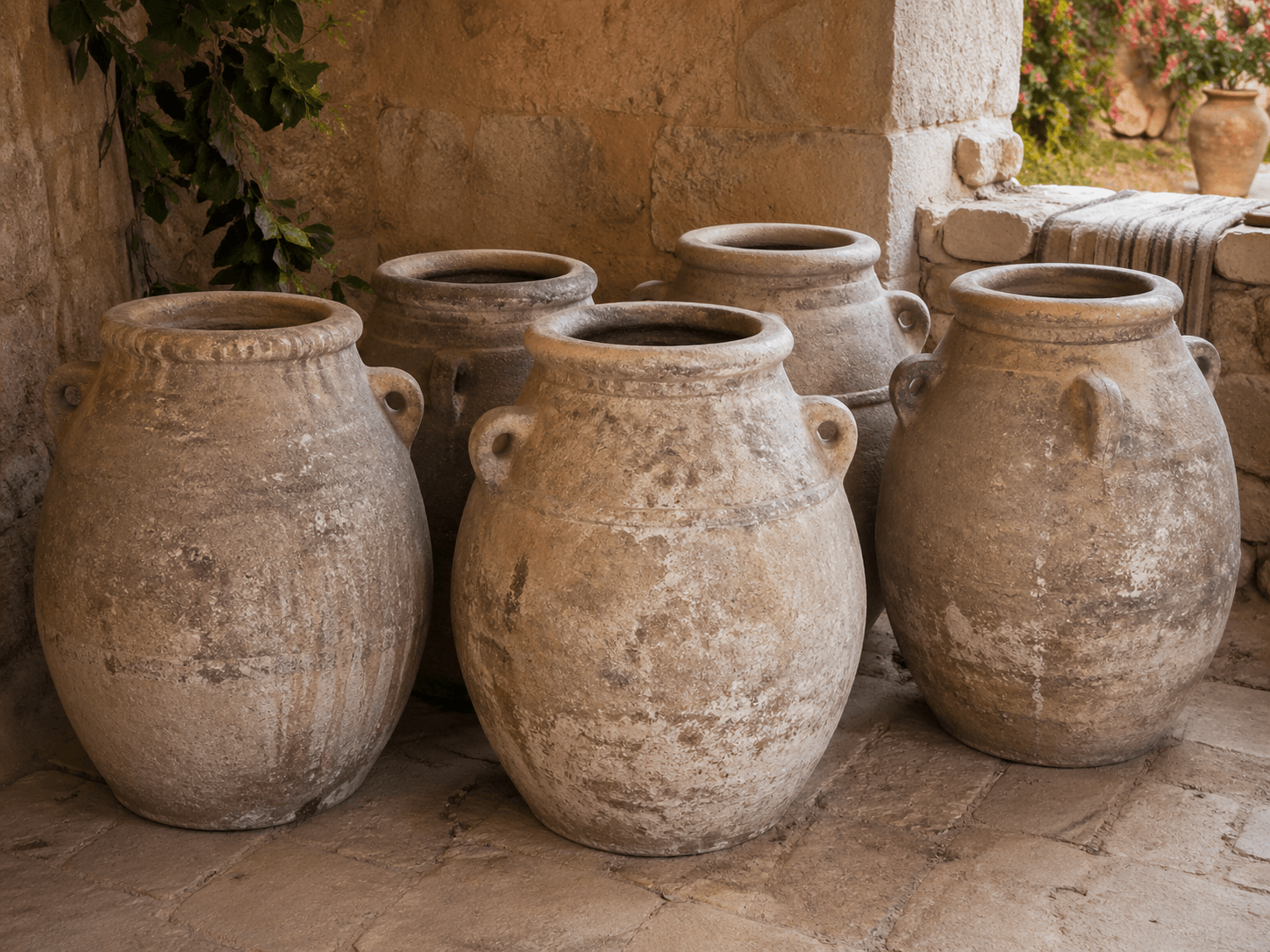
Sometimes what feels like a shortage is the very place Jesus begins to work.
The other night I was looking over numbers for an event I was helping oversee. RSVPs. Payments. Steaks. Sides. Desserts. Plates. Cups. Water. Every time I thought the list was close to finished, another detail seemed to appear. I would look at one number and feel fine, then look at another and start wondering if we had enough.
But it was not only the fear of running short.
There was another side to it too. People had given money to help make this evening happen, and I did not want to waste what they had offered. I did not want to order too little and leave people hungry, but I also did not want to order too much and feel like I had used their donations carelessly. That is a strange tension. You want to be generous, but you also want to be a good steward.
So, I kept looking at the numbers.
How many people are coming? How many steaks do we need? Will the sides be enough? Then someone suggested wine. I had planned on having water, but now wine too? How was I supposed to figure that out? Somewhere in the middle of all those numbers, I laughed a little, because suddenly the Wedding at Cana was no longer just a mystery I pray on Thursdays. It was sitting right there in my planning.
I know that Gospel well. Jesus goes to a wedding with His mother and His disciples. The wine runs out. Mary notices and says to Jesus, “They have no wine.” (John 2:3)
That line stayed with me this week.
Not the whole story at first. Not even the miracle itself. Just that simple sentence.
They have no wine.
Mary noticed what was missing. She did not panic. She did not blame the family. She did not draw attention to the mistake. She simply brought the need to Jesus.
That is where I started to see my own heart more clearly. I was not only planning an event. I was trying to control every possible outcome. I wanted to be generous, but not wasteful. Careful, but not anxious. Prepared, but not afraid. Somewhere in that balance, worry had started to take over.
There is nothing wrong with planning. In fact, planning is part of love. When you invite people to a table, you should think about what they need. When people donate, you should treat that gift with respect. Stewardship matters. The problem was not that I cared about the details. The problem was that I had started carrying them like everything depended on me.
That is when the word surrender came to mind.
Not the kind of surrender where you stop caring. Not the kind where you shrug your shoulders and call it faith. Real surrender still plans. It still works. It still respects what people have given. But it stops pretending that peace depends on controlling every detail.
Mary shows that kind of surrender at Cana. She sees the need, brings it to Jesus, and trusts Him with what comes next. She does not ignore the problem, but she also does not let the problem become bigger than His presence.
That is the part I needed.
I can notice the numbers. I can make the calls. I can check the list. I can try to be careful with the money people have given. But I do not have to carry the whole evening like it depends only on me.
There is peace in that.
The Wedding at Cana is not a lesson in poor planning. It is a sign of trust. It reminds me that Jesus is not distant from ordinary human needs. He was present at a wedding. He cared about a family celebration. He allowed His first public sign to happen in the middle of something as human as a feast running short.
Sometimes I act like I should only bring Jesus the big things. The suffering. The sin. The crisis. The prayers that feel important enough. But Cana reminds me that He is willing to enter the ordinary places too. The dinner plans. The budget concerns. The pressure of taking care of people. The worry about whether there will be enough.
Mary noticed the shortage and trusted Him with it.
That began to change how I looked at my own worry. Instead of asking, “What if we do not have enough?” I started asking, “Have I brought this to Jesus?”
That question changed the weight of it.
The numbers still mattered. The food still had to be ordered. The donations still needed to be handled with care. But my heart did not have to carry the evening as if everything depended on me. I could do my part and surrender the rest.
It also helped me see the donations differently. They were not just money to manage. They were acts of love. People were giving because they wanted to honor the guests this evening was meant to thank. They wanted to be part of the thank you. They wanted to help set the table. My job was not to control every outcome perfectly. My job was to receive those gifts with gratitude and use them with care.
That brought peace. Not because every detail was suddenly solved, but because my heart was no longer trying to be the source of the whole evening.
That is a lesson I need far beyond this one event.
How often do I look at my own life and feel like something is running low? Patience at home. Peace at work. Energy for prayer. Trust in the middle of discernment. Sometimes I notice what is missing and immediately try to fix it myself. I push harder and get frustrated. I think if I just plan better or try harder, I can make up for what is empty.
But maybe the first step is simpler than that.
The first step is honesty.
Lord, I do not have enough patience today.
Lord, I do not have enough peace for this situation.
Lord, I do not have enough strength to carry this alone.
Lord, I am trying to be faithful, but I need You in this.
There is something freeing about naming the need without shame. Mary did not say, “They failed.” She said, “They have no wine.” She brought the empty place to Jesus and trusted Him with what came next.
The worry did not disappear because I found the perfect formula. It eased because I remembered that Jesus had been invited into the need. This event is not mine alone. The gifts are not mine alone. Even the table, in the end, belongs to Him.
So, I will keep counting. I will keep checking the list. I will keep trying to be careful with what people have given. But I want to do it with a quieter heart. Real surrender does not mean I stop caring. It means I stop pretending everything depends on me.
So now, when I look back at the list, the steaks, the sides, the desserts, the payments, the wine, and all the little details, I want to remember Mary’s quiet trust. She noticed what was missing, brought it to Jesus, and let Him do what only He could do.
Not every shortage is a failure. Sometimes it is an invitation to surrender.
And when there is not enough, Jesus still knows how to fill what is empty.
