
Walking, Sitting, and the Call
Hearing God When Movement Feels Impossible
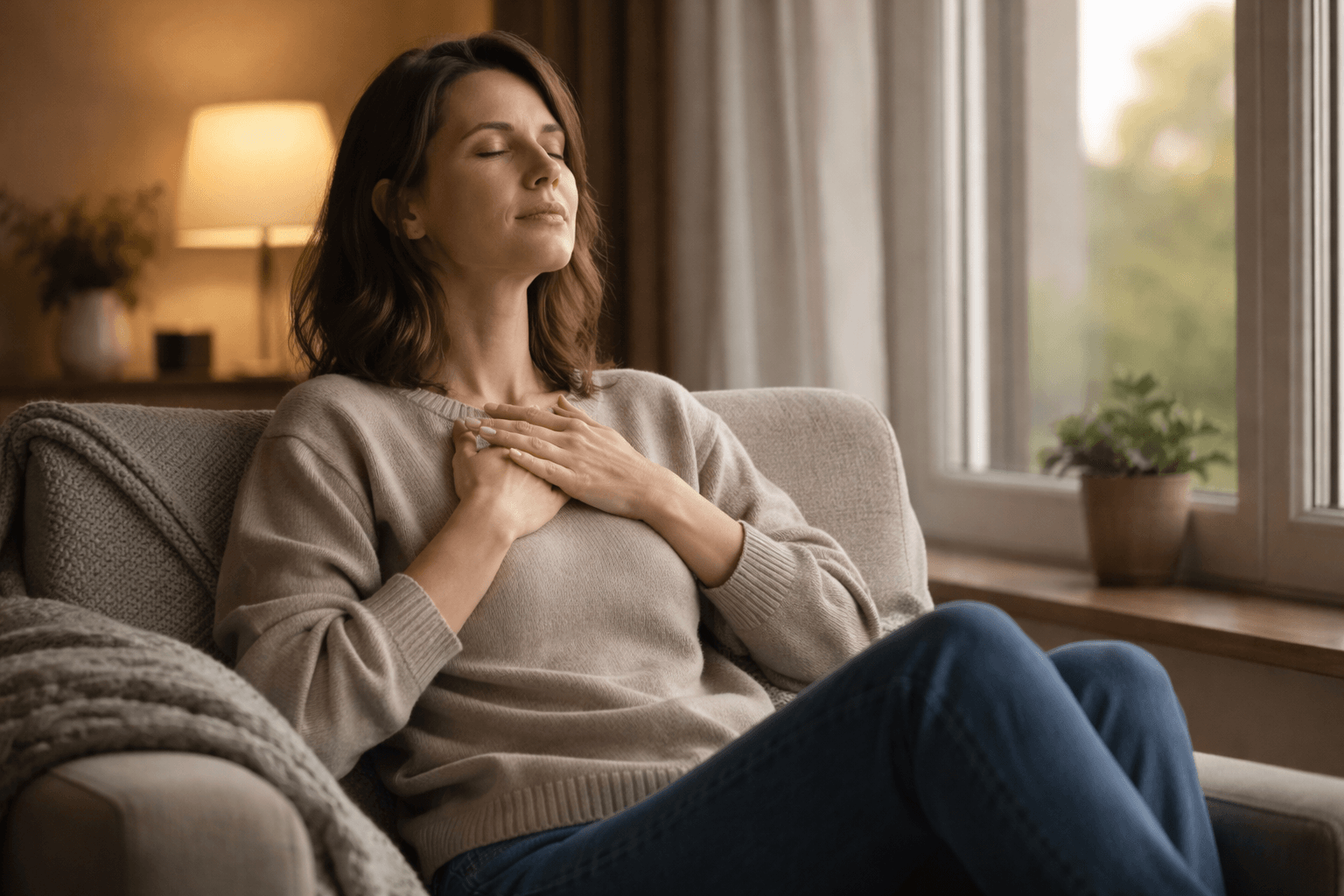 I realized during Mass that hearing and listening are not the same thing. Words often reach the ear without resistance, yet meaning asks for patience and attention before it settles into the heart.
In Sunday’s readings, the same line appeared twice, once from Isaiah and once again in the Gospel. At first, the repetition passed by without much notice. Familiar phrases tend to do that. The words sounded alike, and my attention moved easily to the next part of the liturgy. Only later, after the final blessing and the closing hymn, did something draw me back. When I opened the missal again, a small difference came into view. It was only one word, quiet and precise, yet impossible to ignore once I noticed it.
The people who walk in darkness have seen a great light.
The people who sit in darkness have seen a great light.
At first glance, the lines feel nearly identical. Isaiah speaks, and Matthew echoes. The image appears the same. The promise sounds unchanged. Yet the longer I stayed with the wording, the more that subtle shift asked to be taken seriously.
Isaiah describes people who walk in darkness. Walking implies movement, even if the path ahead remains uncertain. Steps continue forward despite fear or confusion. Darkness, in this image, becomes something encountered along the way rather than a place of rest. Life still unfolds. Choices still appear. Hope, though tested, continues to breathe.
Matthew presents the same promise with a different posture. His Gospel speaks of people who sit in darkness.
Sitting carries a different weight. It suggests settling rather than passing through. Movement pauses. Time stretches. Sitting reflects fatigue, resignation, or waiting without expectation. Darkness no longer surrounds a journey. Darkness becomes the place where life feels parked.
Matthew is not altering the prophecy. He is deepening its reach.
Isaiah assures God’s people that darkness does not cancel God’s presence along the road. Matthew reveals something more encompassing. The promise does not belong only to those still walking forward. The promise also reaches those who have stopped, those who feel stuck, and those who no longer trust movement itself.
That distinction matters because many journeys do not unfold in straight lines. It matters to me because my own journey did not look like steady progress. There was a time when I was not moving toward anything. I was not searching or striving. I was sitting. Life continued around me, yet inside I felt disconnected, alone, and unloved.
What matters is this truth. God did not wait for me to start walking again.
Jesus begins his public ministry far from the center of religious power. Matthew names Galilee with care, a region associated with distance and disregard. Location matters in the Gospel because it reveals God’s intention. Jesus steps into places overlooked by influence and expectation. He moves toward people rather than summoning people toward him. Presence comes before instruction. Relationship precedes reform.
The Gospel continues with Jesus speaking, not in abstract teaching, but through direct invitation.
“Repent, for the kingdom of heaven is at hand.”
Repentance often suffers misunderstanding. Many hear accusation or threat, yet Scripture presents something both gentler and more demanding. Repentance means turning. It is a reorientation of the heart. It is the decision to face a different direction, even if the body has not yet stood up. Turning does not require momentum. Turning does not depend on strength. Turning begins with presence, and Jesus supplies that presence himself.
Matthew then shows how this invitation becomes personal. Jesus walks beside the sea and sees Peter and Andrew at work. Nets move through familiar routines. Further along, James and John repair what has been worn and torn. None of them are searching for a Messiah. None of them are preparing a response. Jesus speaks first.
“Come after me.”
Calling unfolds inside ordinary life. As work continues, repairs happen. Waiting fills the space between moments. Jesus does not call people once everything is resolved. He calls people where they are, and his call becomes the beginning of movement.
In this sense, calling restores motion before it demands direction.
For me, movement back into hope did not arrive through a single dramatic moment. Transformation did not rush forward. Restoration grew slowly through repetition. It came through choosing Mass even during seasons of dryness. It came through prayers spoken more out of habit than feeling. It came through confession that named need without spectacle. It came through the Rosary prayed during ordinary drives, one decade at a time. It came through learning how to breathe again after holding tension for years.
Breathing returns quietly. Lungs fill without announcement. Life resumes one breath at a time.
Looking back, gentleness stands out. God did not push me out of the dark. God invited me forward patiently. Motion returned first. Standing followed. Walking came later. Trust grew last. Calling did not pull me forward by force. Calling drew me forward through steady presence.
This truth carries hope for anyone reading from a place of stillness.
Scripture offers reassurance without urgency. Whether walking or sitting, the promise remains active. God stays present not only with those moving forward confidently, but also with those waiting, weary, or unsure. Fulfillment rests on God’s movement toward humanity rather than humanity’s movement toward God.
Faith often feels repetitive during quiet seasons. Prayer repeats familiar words. Liturgy follows steady rhythms. Progress hides beneath ordinary faithfulness. None of this signals failure. Ordinary faithfulness rebuilds life from the inside out.
If you find yourself in a spot where faith feels slow or quiet, do not dismiss it. Keep showing up. Keep praying in the small ways. Keep turning your heart, even slightly, toward him. Then pause long enough to give your full attention to an honest question. Are you only hearing the words of faith as they pass by, or are you listening for what God might be asking of you right where you are sitting?
Sometimes hope does not arrive with noise or drama. Sometimes hope arrives through listening more carefully to words you have heard many times before, until one small detail begins to speak differently. In that listening, you may discover that you are not alone in the place where movement once felt impossible, and that God has been present there longer than you realized.
